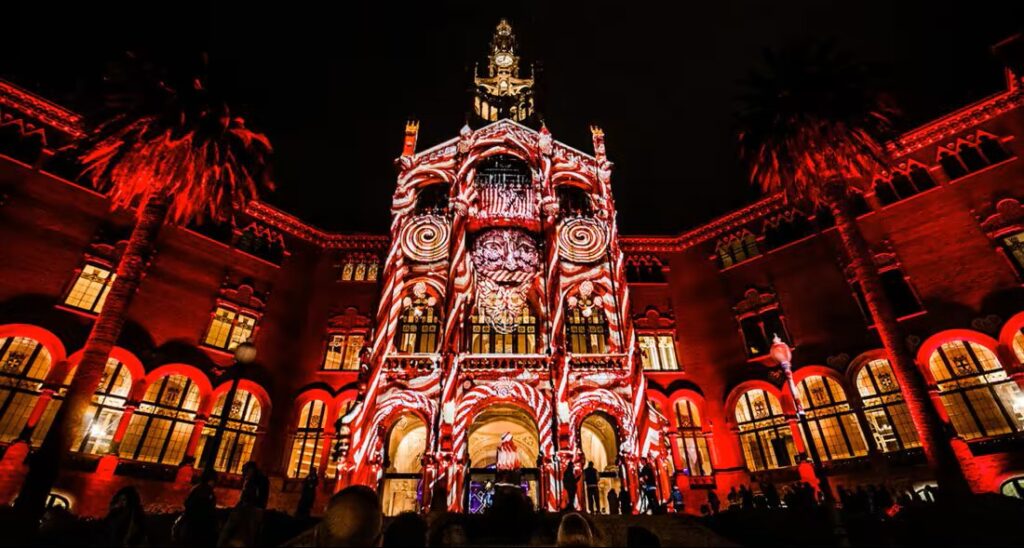
Spain in winter offers far more than sunshine. First, you can visit the art and history of Andalusia, join the festive mood of historic cities, enjoy the mild Canary Islands, or head to the Pyrenees for snow. As a result, Spain works well for group travel all through the cold months.
For tour operators, travel agents and company planners, winter also opens room for new ideas. For instance, you can design special routes and add lesser-known places. Below, this guide shares five places to visit and practical ideas for winter 2026–2027.
Why visit Spain in winter?
Spain’s variety is its strength. For example, travellers can enjoy mild temperatures in the south and on the islands, explore lovely old towns, or ski in the mountains. In addition, popular cities feel more relaxed outside the summer peak, so museums, cafés and local sights are easier to enjoy.
The latest research from the European Travel Commission (ETC) supports this. It found that 76% of Europeans plan an overnight trip between October 2026 and March 2027, up 3% on last year. City breaks (19%) and culture trips (18%) lead their plans. Moreover, 44% of respondents prefer places that fewer tourists visit.
These figures point to a clear chance. For example, plans that mix famous highlights with authentic local stops can meet both wishes.
Five Spanish destinations to discover this winter
1. Andalusia: culture, history and Mediterranean lifestyle
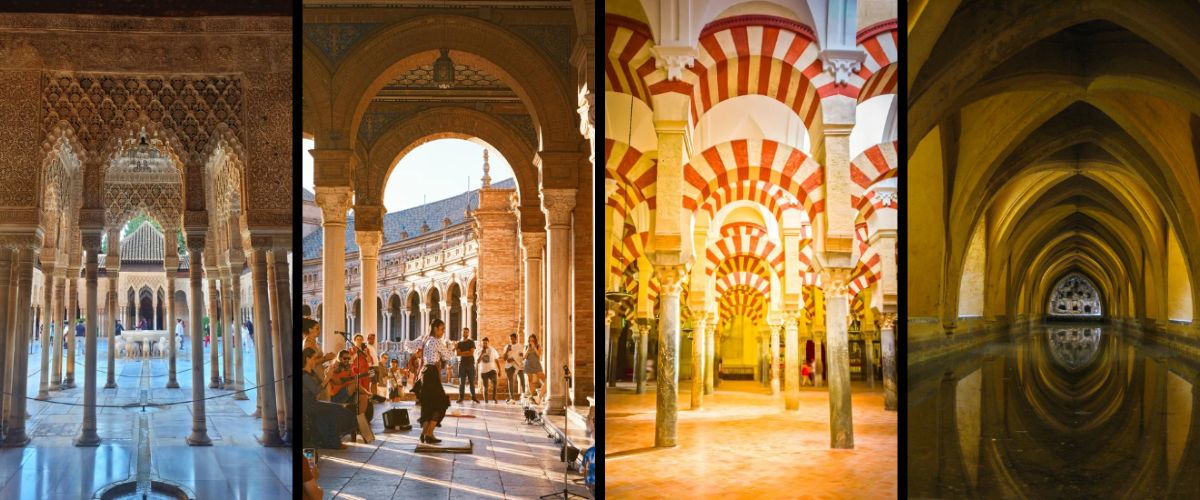
Andalusia combines historic buildings, food and a warm welcome. For example, Seville, Granada and Córdoba offer great visits. Highlights include the Alhambra, the Mezquita-Cathedral and the local neighbourhoods of Seville.
Winter is also a good time for Andalusian food. In addition, groups can try tapas, visit markets, taste olive oil and tour local wineries.
Ideas for groups:
- First, guided visits to Seville, Córdoba and Granada.
- Then, flamenco shows and private dining.
- Also, olive oil tastings and visits to local producers.
- Last, day trips to white villages and the countryside.
2. The Canary Islands: winter sun and outdoor fun
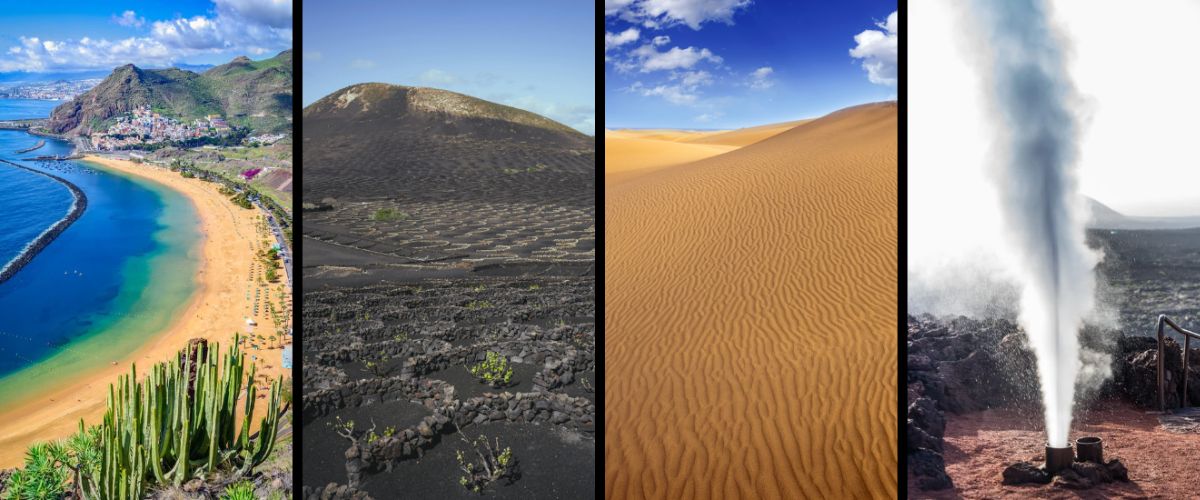
For warmer weather in the European winter, the Canary Islands are an excellent choice. This Atlantic archipelago offers pleasant conditions for outdoor fun through much of the year. Besides, each island has its own character, so plans can differ a lot.
For instance, Tenerife has volcanic scenery and Teide National Park. Lanzarote is known for its volcanic landscapes and special buildings. Gran Canaria combines beaches, mountains and local villages. Our guide to the best island in the Canary Islands helps you compare them.
Ideas for groups:
- First, guided trips through volcanic landscapes.
- Then, coastal tours and visits to local villages.
- Also, local food and wine tastings.
- Next, hiking, cycling and nature trips.
- Last, beach and wellness plans.
3. Madrid: art, food and city life
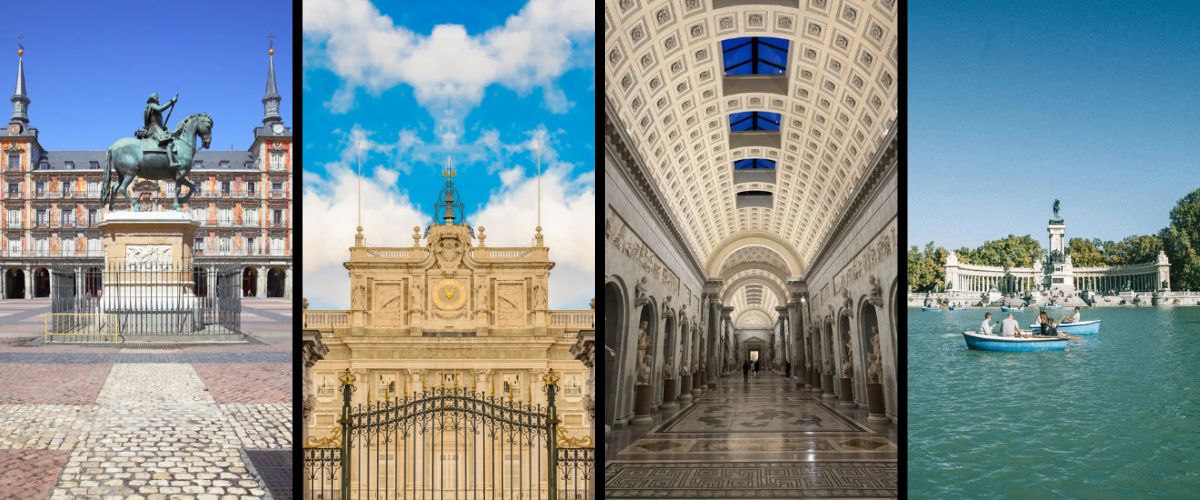
Madrid is an excellent winter city break. It offers a rich culture scene, grand buildings and lively food. Visitors can explore the Prado Museum, the Royal Palace, Retiro Park and the historic centre, and enjoy the city’s tapas culture. Moreover, the capital has a special mood around Christmas and New Year.
Madrid is also a handy base for day trips. In fact, Toledo, Segovia and Ávila all lie within reach. For a quieter option, see our route from Madrid to Sigüenza.
Ideas for groups:
- First, guided visits to the main museums and landmarks.
- Then, food tours through local markets.
- Also, day trips to Toledo and Segovia.
- Next, Spanish cooking workshops.
- Last, Christmas-themed tours and winter city walks.
4. Barcelona and Catalonia: design, food and nature
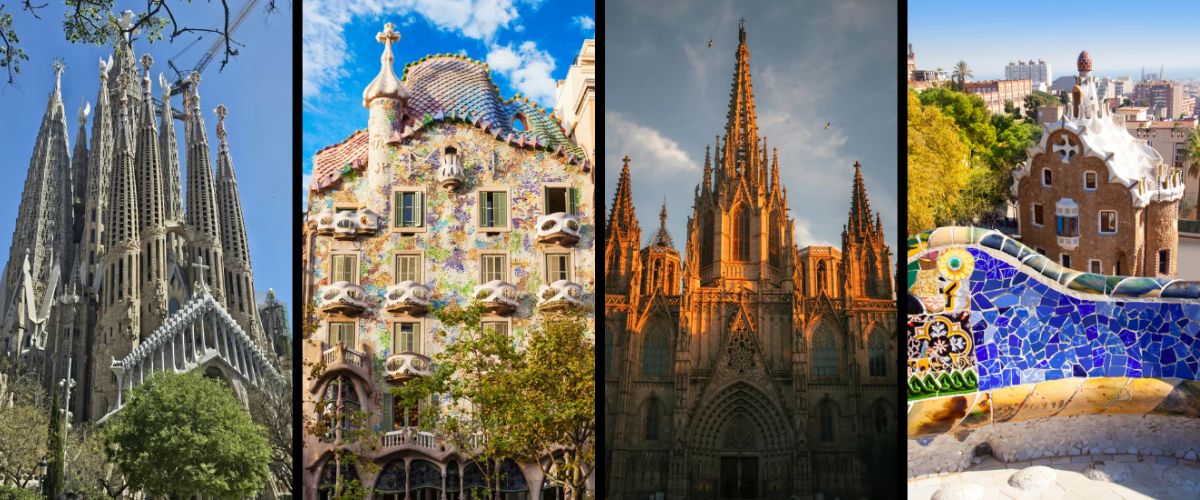
Barcelona stays one of Europe’s top cities for culture all year. In winter, for example, groups can see Gaudí’s masterpieces and the Gothic Quarter, then enjoy its markets and restaurants. Beyond the city, however, Catalonia offers the Costa Brava, historic Girona, medieval villages and the Pyrenees.
As a result, one region can mix city life, nature, food and heritage in a single plan.
Ideas for groups:
- First, guided tours of Barcelona’s buildings.
- Then, visits to Girona and medieval villages.
- Also, wine and cava tastings in the Penedès region.
- Next, Catalan food tastings.
- Last, trips to the Pyrenees for winter fun.
5. The Spanish Pyrenees: snow, nature and adventure
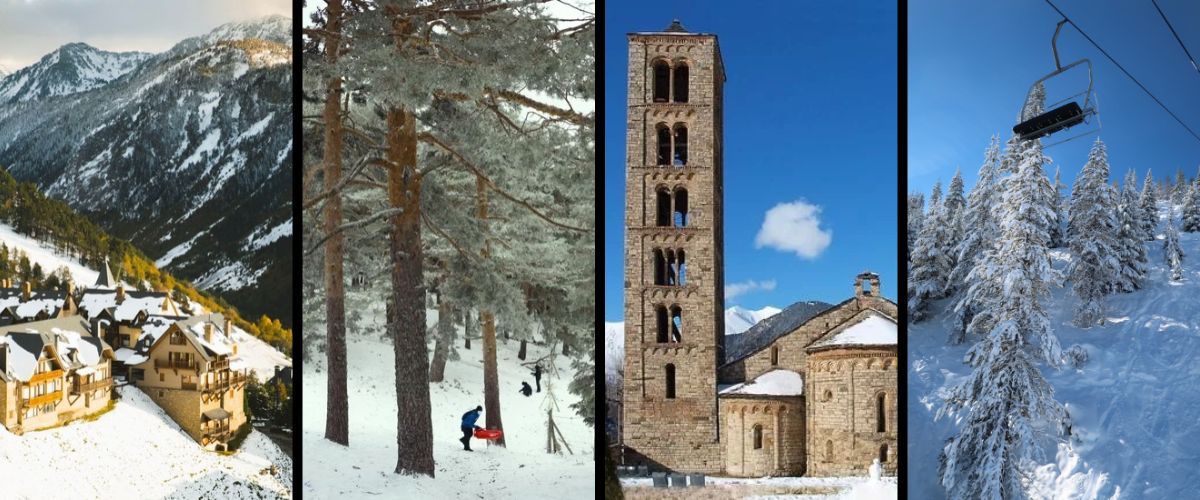
Some travellers link winter with snow. For them, the Spanish Pyrenees are a strong alternative to a city break. The range runs along the border between Spain and France. It has striking views, charming villages and chances to ski.
Resorts in Catalonia and Aragón offer ski resorts, mountain trips and local rural stays. Likewise, many groups add a wellness stop after a day outdoors.
Ideas for groups:
- First, skiing and other snow sports.
- Then, mountain trips and scenic drives.
- Also, visits to local mountain villages.
- Next, local food and regional dishes.
- Last, wellness stays and mountain retreats.
Beyond sightseeing: authentic winter moments
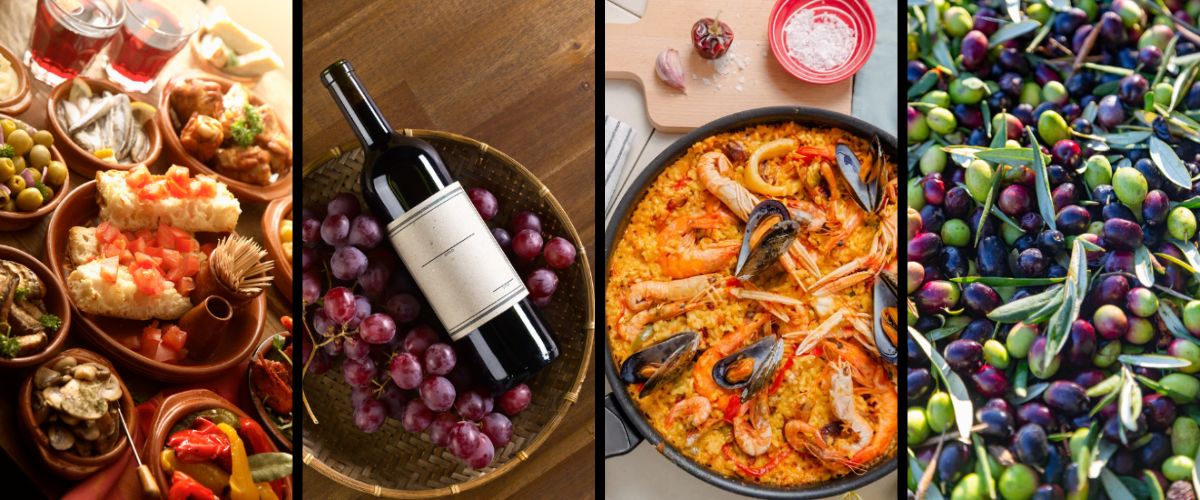
The most memorable trips go beyond monuments and photos. Instead, they let travellers meet people, taste local food and learn local traditions. Winter is a good season for these connections. Therefore, here are five ideas for a Spanish winter route.
- Spanish food. Food is central to Spanish culture, so plan tapas tours, cooking workshops, wine tastings or market visits. See our wine and gastronomy tours.
- Local traditions. Winter brings Christmas markets and winter celebrations. As a result, visitors see Spanish customs and everyday life.
- Wine and olive oil tourism. Spain’s wine regions and olive groves suit food and culture trips. Also, guided tastings add a special touch.
- Culture with wellness. Spas and countryside retreats help groups relax and recharge. Incentive groups, in particular, often enjoy them. Read about the thermal spas of Spain.
- Lesser-known places. Small towns and rural areas show a more authentic side of Spain. Besides, they help spread tourism beyond the busiest cities.
Why winter suits group travel
Winter is more than a substitute for summer holidays. Rather, it lets you build more varied plans. For tour operators and travel agents, therefore, several gains stand out.
- Winter variety. For instance, plans can mix Christmas events, food, mountain fun and city breaks.
- More choice. Also, travellers discover regions and towns beyond the summer favourites.
- Flexible routes. In addition, plans adapt to interests, budgets, group sizes and trip lengths.
- Tailor-made activities. Last, private tours, cooking classes and local meetings make each trip special.
Of course, good winter planning needs care. First, check regional weather, opening hours, transport schedules and winter availability. Then, a good route balances sightseeing, travel time and indoor and outdoor fun.
Plan your winter group tour with a local DMC
A good group plan takes more than a list of places. Instead, it needs local knowledge, reliable suppliers, careful logistics and a clear view of what visitors expect. A destination management company (DMC) in Spain can turn an early idea into a well-run trip.
At Iberinbound, we specialise in incoming travel services across Spain and Portugal. Specifically, we work with tour operators, travel agents and MICE teams. For example, we handle hotels, transport, guided visits, food events and special requests. See our services and our classic round trips.
Are you planning a city break in Madrid, a trip through Andalusia, a winter sun trip in the Canary Islands or a multi-city tour? Send us your group brief. We reply with a costed proposal within 24 to 48 hours.
Frequently asked questions
Is Spain a good destination for group travel in winter?
Yes. Spain offers mild weather in the south and on the Canary Islands, historic cities with fewer crowds than in summer, and snow in the Pyrenees. Groups can combine culture, food, nature and wellness in one programme.
How many Europeans plan to travel in winter 2026–2027?
According to the European Travel Commission, 76% of Europeans plan an overnight trip between October 2026 and March 2027, up 3% on last year. City breaks and culture and heritage trips lead their plans.
Where in Spain is the weather mildest in winter?
The south and the Canary Islands offer the mildest conditions for outdoor activities. Andalusia suits culture and food programmes, and Tenerife, Lanzarote and Gran Canaria suit winter sun and nature.
Can groups ski in Spain?
Yes. The Spanish Pyrenees have ski resorts in Catalonia and Aragón. Groups can also join mountain excursions, visit traditional villages and add a wellness stop.
Which winter experiences suit incentive groups?
Cooking workshops, wine and olive oil tastings, private dining, flamenco shows and spa visits all work well. We adapt each programme to the group’s interests, size and budget.
Can Iberinbound organise a winter group tour in Spain?
Yes. We arrange hotels, coaches, guides, food activities and special requests for groups from 8 travellers, and send a costed proposal within 24 to 48 hours.
Have another question about winter group travel in Spain? Visit our full FAQ page or contact our team, and we will reply within 24 hours.
Data: European Travel Commission, Monitoring Sentiment for Intra-European Travel, Autumn & Winter 2026/2027.